
Day 2 — To respond, not react
Why reacting less can change everything.

Lately, I’ve been thinking a lot about how quickly we react.
How fast emotions take over.
How instinctively we respond before we’ve even understood what we’re feeling.
How often we confuse intensity with truth.
Reacting is easy. It’s immediate. It feels honest in the moment.
But responding requires space.
Most of us were never taught how to sit with a feeling before acting on it. We were taught to explain ourselves, defend ourselves, prove our point, or retreat entirely. So when something triggers us, we move fast, not because we’re dramatic, but because our nervous system wants relief.
Impulsivity is human. Sometimes it’s beautiful. It’s spontaneity, courage, risk.
But when emotions feel overwhelming, reacting quickly often leaves something behind, regret, guilt, a strange heaviness. Not because the emotion was wrong, but because we didn’t pause long enough to understand it.
I’ve noticed that the moments I regret most aren’t the ones where I felt deeply, they’re the ones where I didn’t give myself time.
Responding doesn’t mean suppressing emotion. It doesn’t mean pretending you’re calm when you’re not. It means letting the feeling exist without letting it control the outcome.
There is a quiet kind of power in choosing not to react immediately.
In choosing to breathe first.
In choosing to think before speaking.
In choosing peace over urgency.
What we don’t talk about enough is how much energy reacting takes. How exhausting it is to live in a constant state of emotional whiplash, highs and lows, anger and relief, closeness and distance. When you respond instead of react, something steadies inside you. Life feels less volatile. Decisions feel cleaner.
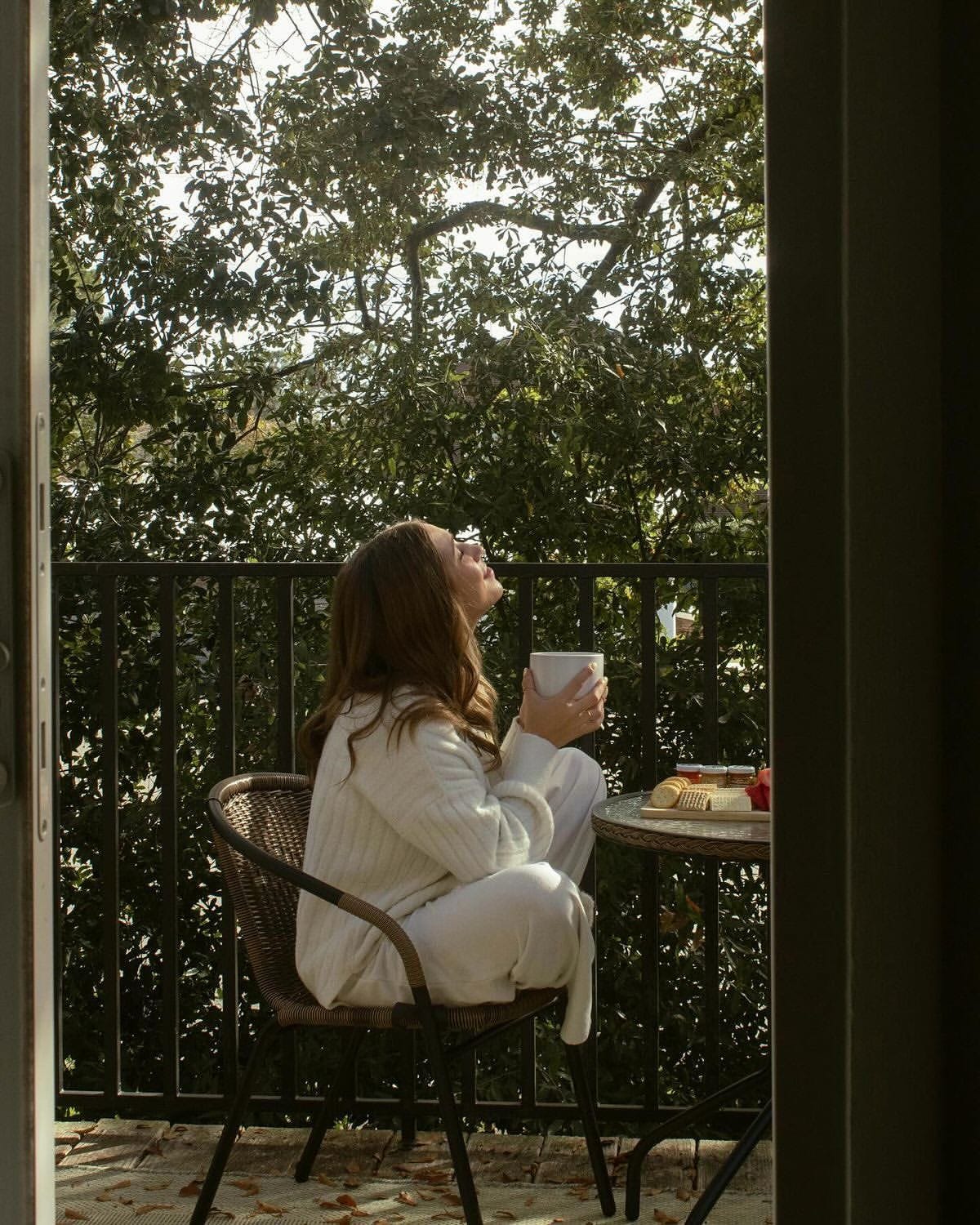
Sometimes all it takes is a pause.
A few seconds where you ask yourself:
Will reacting right now actually make this better?
Most of the time, the answer is no.
And that pause, as small as it is, changes everything.
I’ve realised that responding is an act of self-respect. It’s saying: my energy matters. It’s trusting yourself enough to slow down, even when everything in you wants to explode.
You don’t need to get this right every time. No one does.
But even noticing the pattern is a beginning.
Maybe the work isn’t to feel less.
Maybe it’s to move with more intention.
To respond, not react.